
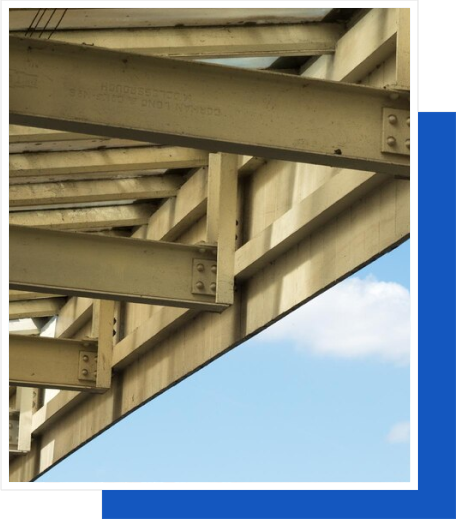
Why Metal Decking is Essential for Modern Building Design
Metal decking has become a cornerstone of modern construction, offering architects and engineers a versatile, efficient, and reliable solution for flooring and roofing systems. From load distribution to fire resistance, metal decking provides numerous advantages that make it the preferred choice for contemporary building projects.
What is Metal Decking?
Metal decking consists of corrugated steel sheets that serve as a permanent form for concrete slabs or as structural floor and roof systems. The corrugated profile provides excellent structural properties while maintaining relatively light weight and ease of installation.
Types of Metal Decking
- Composite Decking: Works with concrete to form composite slabs
- Form Decking: Serves as permanent formwork for concrete
- Roof Decking: Provides structural support for roofing systems
- Acoustic Decking: Incorporates sound-dampening features
Structural Advantages
Superior Load Distribution
Metal decking excels at distributing loads efficiently across the structure:
- Even load transfer to supporting beams
- Reduced beam sizes and spacing requirements
- Enhanced structural integrity under dynamic loads
- Improved resistance to point loads
Composite Action Benefits
When used with concrete, metal decking creates a composite system that offers:
- Increased Strength: The steel-concrete combination provides superior load-bearing capacity
- Reduced Deflection: Composite action minimizes floor vibration and movement
- Longer Spans: Enables larger open spaces with fewer support columns
- Cost Efficiency: Optimizes material usage and reduces overall structural costs
Engineering Fact
Composite metal decking can achieve spans of up to 4.5 meters without intermediate support, significantly reducing the need for structural framing and creating more flexible floor plans.
Fire Resistance and Safety
Fire safety is a critical consideration in building design, and metal decking provides excellent fire resistance properties:
Fire Rating Capabilities
- 2-hour fire ratings: Achievable with proper fire-resistant assemblies
- Non-combustible: Steel decking won't contribute to fire spread
- Structural integrity: Maintains load-bearing capacity during fire events
- Code compliance: Meets Australian Building Code requirements
Safety Features
- Immediate working platform during construction
- Fall protection for workers
- Reduced construction time in hazardous conditions
- Enhanced stability during concrete placement
Economic Benefits
Construction Cost Savings
Metal decking offers significant cost advantages throughout the construction process:
Material Efficiency
- Reduced concrete volume: Corrugated profile reduces concrete requirements
- Eliminated formwork: No need for temporary concrete forms
- Lighter structure: Reduced foundation and framing requirements
- Standard sizes: Readily available in common dimensions
Labor Savings
- Rapid installation: Large sheets cover significant areas quickly
- No form removal: Eliminates stripping and cleaning operations
- Concurrent trades: Other work can proceed while decking is installed
- Reduced crane time: Efficient lifting and placement
Long-term Value
- Minimal maintenance requirements
- Long service life (50+ years)
- Adaptability for future modifications
- High recycling value at end of life
Design Flexibility
Metal decking enables architects to create innovative and efficient designs:
Architectural Freedom
- Large open spaces: Minimal column interference
- Exposed ceilings: Attractive corrugated patterns
- Multiple finishes: Painted, galvanized, or specialty coatings
- Integration options: Compatible with various building systems
Service Integration
Metal decking accommodates building services efficiently:
- Electrical conduits in deck ribs
- Plumbing services through openings
- HVAC ductwork integration
- Lighting and communication systems
Environmental Advantages
Sustainability Features
- High recycled content in steel production
- 100% recyclable at end of service life
- Reduced material waste during construction
- Lower transportation energy due to light weight
- LEED and Green Star points contribution
Energy Efficiency
- Thermal mass: Concrete composite provides thermal storage
- Insulation compatibility: Works with various insulation systems
- Air sealing: Contributes to building envelope performance
- Reflective surfaces: Can reduce cooling loads
Installation Advantages
Construction Efficiency
Metal decking installation offers numerous advantages over traditional methods:
- Weather independence: Can be installed in various weather conditions
- Immediate loading: Supports construction equipment and materials
- Quality control: Factory-manufactured to precise specifications
- Standardized connections: Consistent fastening methods
Safety During Construction
- Stable working platform from day one
- Fall protection for subsequent trades
- Reduced scaffolding requirements
- Lower risk of accidents during concrete placement
Performance in Australian Conditions
Metal decking is particularly well-suited to Australian building conditions:
Climate Resistance
- Corrosion protection: Galvanized coatings resist marine environments
- Temperature stability: Performs well in extreme temperature variations
- Wind resistance: Excellent performance in high-wind conditions
- Seismic compatibility: Suitable for earthquake-prone regions
Code Compliance
- Meets Australian Standard AS/NZS 2327
- Building Code of Australia compliance
- Structural design standards conformance
- Fire safety regulation compliance
Case Studies and Applications
Commercial Buildings
Office buildings, retail centers, and mixed-use developments benefit from:
- Large column-free spaces for flexible layouts
- Fast construction schedules
- Cost-effective floor systems
- Future adaptability for tenant changes
Industrial Facilities
Warehouses, manufacturing plants, and distribution centers utilize:
- Heavy load-bearing capacity
- Chemical and abrasion resistance
- Easy maintenance and cleaning
- Integration with overhead systems
Healthcare and Education
Hospitals, schools, and universities require:
- Fire safety compliance
- Vibration control for sensitive equipment
- Long-term durability
- Acoustic performance options
Future Trends
The metal decking industry continues to evolve with new technologies and materials:
Material Innovations
- High-strength steels: Enabling longer spans and thinner profiles
- Advanced coatings: Enhanced corrosion resistance and aesthetics
- Composite materials: Hybrid solutions for specialized applications
- Smart technologies: Embedded sensors for structural monitoring
Conclusion
Metal decking represents an essential component of modern building design, offering unmatched advantages in structural performance, fire safety, economic efficiency, and construction speed. As buildings become more complex and performance requirements more stringent, metal decking continues to prove its value as a versatile, reliable, and sustainable solution.
The combination of structural efficiency, cost-effectiveness, and design flexibility makes metal decking an obvious choice for architects and engineers seeking to optimize their building designs. Whether for commercial, industrial, or institutional applications, metal decking provides the foundation for successful construction projects.
Ready to Specify Metal Decking?
Our engineering team can help you select the right metal decking solution for your project requirements.
Get Engineering Support